Application & Protection
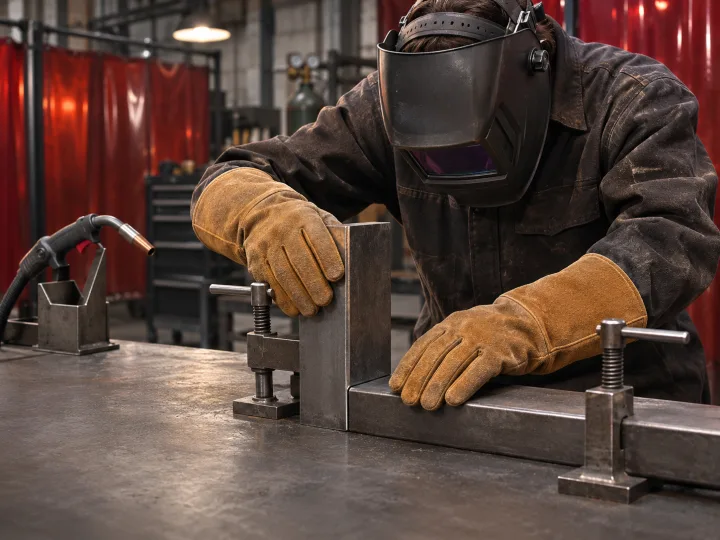
Identify the tasks, working conditions and hazards the glove must address. Specify the performance requirements and request relevant test reports for the proposed glove model.
Premium Work Gloves & Leather Manufacturing
Your OEM manufacturing partner for custom industrial work gloves, quality leather materials, and private-label solutions.
Product range

Sample photo
Sample photo
Sample photo
Sample photo
Sample photo
Sample photo
Sample photo
Sample photo
Sample photo
Sample photo
Sample photo
Sample photo
Sample photoOEM & Private Label
Customise one of our existing work glove models or develop a new glove from your sample, drawing, or product brief. Tell us how the glove will be used, what fit you need, and how you want it presented under your brand.
Start with the job the glove needs to do. Define the coverage, grip, and freedom of movement your users need for that task.
Explore leather, fabrics, linings, and coatings based on the hand feel, flexibility, and working conditions you specify.
Define the palm fit, finger length, thumb shape, and cuff style across your size range. Use samples to check how the glove fits and moves.
Choose where your logo or label should appear on the glove. Review its size, placement, and colour alongside the product design.
Bring the agreed glove specification, model numbers, and artwork together in a range sold under your own brand.
Specify how each pair should be packed and identified, from hang tags and size labels to carton markings for distribution.
Review a sample for fit, construction, material feel, and branding. Record any changes and approve the reference sample before production.
Agree on what to check against the approved sample, including dimensions, stitching, material appearance, and labelling.
Share your glove category, target quantity, size range, and any reference photos or specifications you have.
Start Your OEM Project →Materials & Technology


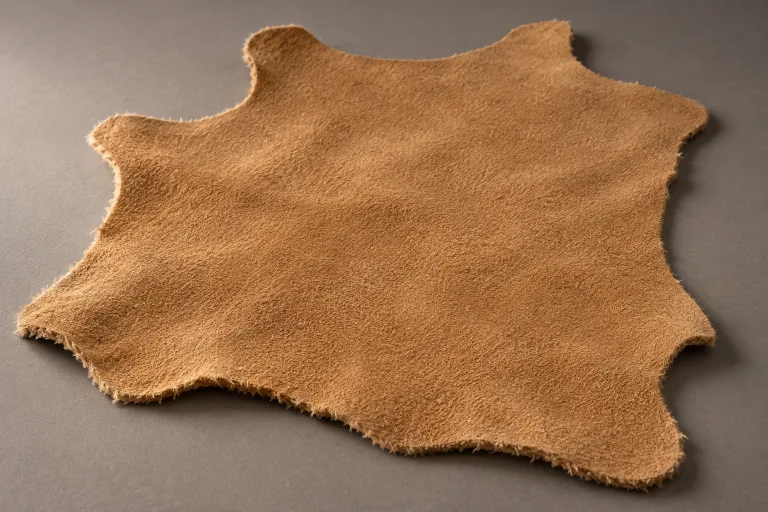
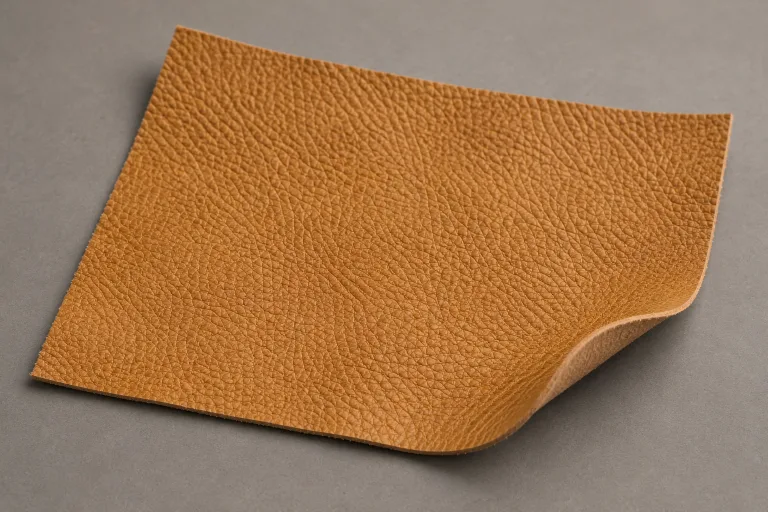
Grain cowhide, split cowhide, and goatskin
Grain cowhide is common in driver and general handling gloves. Split cowhide has a suede-like surface and is often used in welding and heavy handling gloves. Goatskin is often chosen for its flexibility and finger feel.
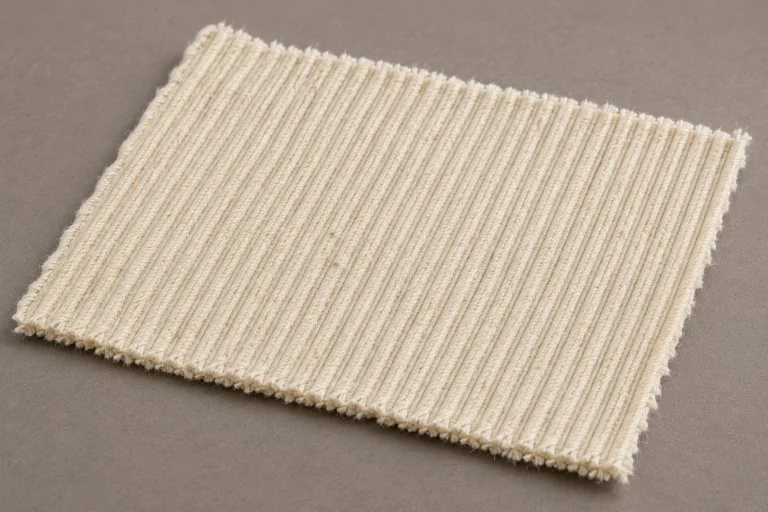


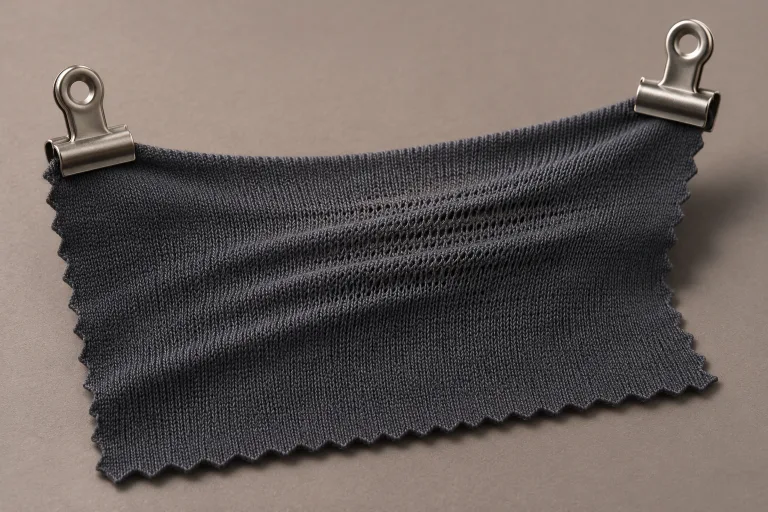
Cotton, nylon, polyester, and elastane
Cotton is used in corded and general-purpose gloves. Nylon and polyester are common in knitted shells and mechanic glove backs. Elastane adds stretch for a closer fit.


High-performance polyethylene and engineered yarn blends
HPPE is a lightweight fibre used in cut-resistant knit shells and linings. Yarn construction and the finished glove design influence its cut resistance.


Para-aramid yarn, linings, and sewing thread
Para-aramid is used in some gloves designed for cut or heat exposure. It can be incorporated into a knit shell, a lining, or the thread used to sew the glove.


TPR, foam, and gel
Moulded thermoplastic rubber (TPR) guards are placed over the knuckles and fingers in some impact gloves. Foam or gel pads can cushion contact between the palm and tools or handled objects.

Water-barrier inserts
A membrane sits between the glove’s outer shell and lining to help limit water entry. Seams, coverage, and cuff construction affect how the finished glove performs in wet conditions.


Cotton lining, acrylic terry, polyester fleece, and synthetic insulation
Lightweight linings change how the glove feels against the hand. Thicker insulating layers help retain warmth, with a trade-off in bulk and finger movement.
An educational overview of common work-glove materials. Protection ratings depend on the finished glove and are stated only where its test results or specifications support them.
Manufacturing Process

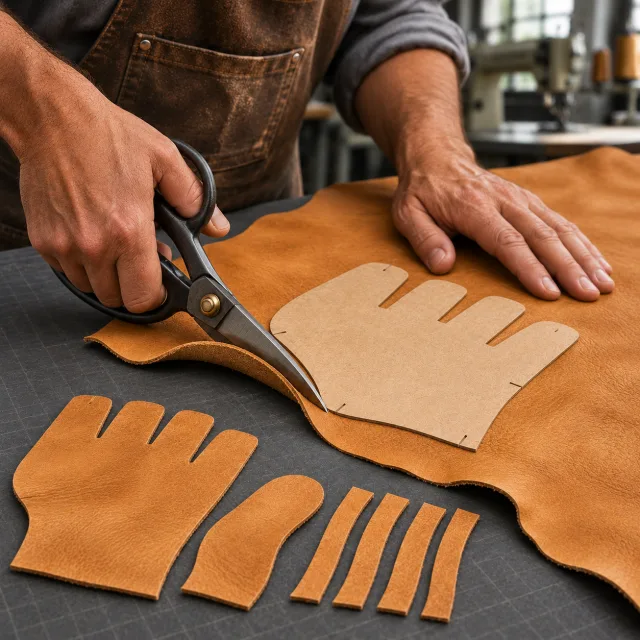
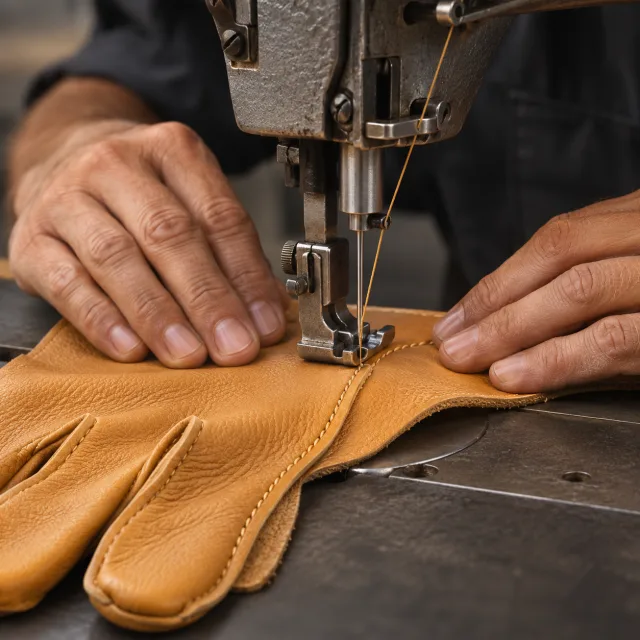
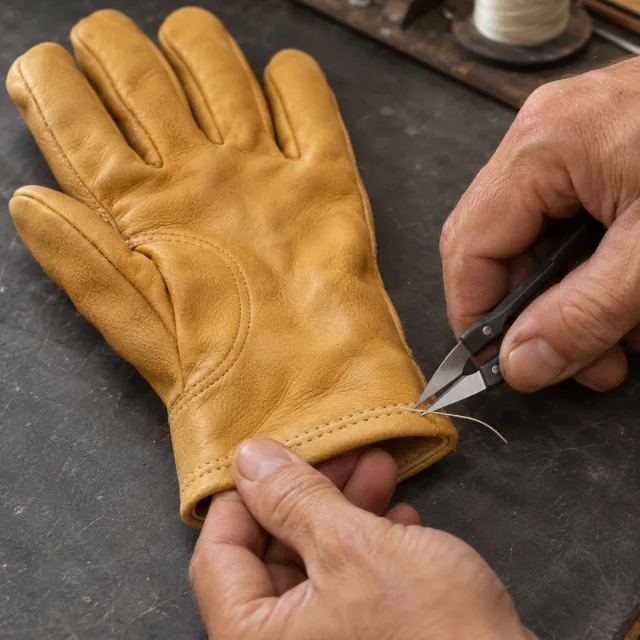
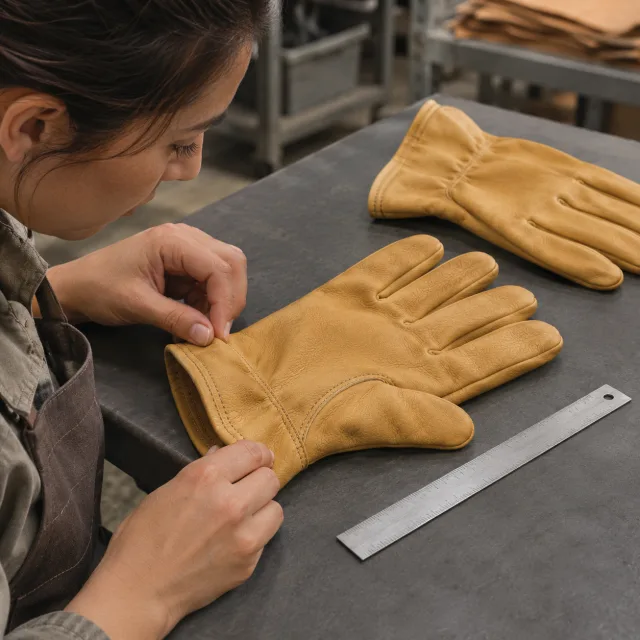
Illustrative manufacturing images.
Industries we serve
Illustrative industry images.
Buyer’s Guide
Choosing industrial work gloves starts with a clear product brief. For OEM and private-label projects, define the intended application, materials, fit and testing requirements before comparing samples or planning bulk orders.
Identify the tasks, working conditions and hazards the glove must address. Specify the performance requirements and request relevant test reports for the proposed glove model.
Define the leather or fabric, lining, reinforcement and cuff style. Review how material selection, seam placement and construction affect fit, flexibility and suitability for the intended task.
Set the required size range and assess sample gloves for finger length, palm fit, dexterity and stitching. Document agreed specifications and any changes before approving production.
Outline your logo placement, labels, packaging and size assortment. Confirm minimum order quantities, sample timelines, production lead times and inspection requirements with your supplier.